To another intelligence, we might not be “humans” at all, but one highly social species of living organism—technologically remarkable, biologically related to the rest of life, and still learning what consciousness means.
We have found a planet with complex living organisms. One species builds technology, changes its environment, and communicates across the planet.
“Human being” is a name we gave ourselves. It carries history, dignity, culture, and moral meaning. I am not suggesting we stop using it.
I am asking what sits underneath it.
Biologically, we are Homo sapiens: one branch of life on Earth, related through evolution to every other organism on this planet.
That perspective does not make us less extraordinary.
It tells us where the extraordinary came from.
We are animals with cumulative culture
Human beings are not the fastest, strongest, or best-equipped animals.
Many species see farther, smell more sharply, hear frequencies we cannot, survive climates that would kill us, or navigate without maps.
Our unusual power came from a combination of abilities: language, cooperation, imagination, fine motor control, long childhoods, social learning, and brains capable of carrying symbols across generations.
One person discovered something. Another remembered it. Another improved it. Another taught it to a child.
Over thousands of generations, knowledge accumulated.
That is how stone tools became agriculture, writing, medicine, engines, computers, and telescopes.
No individual human contains civilization. We inherit it.
We were not guaranteed
Our existence depended on a chain of events that could have unfolded differently.
About 66 million years ago, an asteroid impact helped end the age of non-avian dinosaurs and opened ecological opportunities in which mammals expanded. If that event had not happened—or had happened differently—our lineage might never have appeared.
Evolution is not a ladder aimed at us.
It is a branching process shaped by environment, variation, selection, chance, extinction, and time.
We are not the goal toward which life was marching.
We are one surviving outcome.
How another civilization might study us
An extraterrestrial biologist would probably begin with chemistry.
Most of the human body’s mass comes from oxygen, carbon, hydrogen, and nitrogen. An adult body contains tens of trillions of cells. Nearly every cell with a nucleus carries DNA organized into chromosomes, and that DNA contains instructions involved in building and maintaining the body.
A visitor might then study our metabolism, reproduction, immune systems, nervous systems, and social behavior.
It might be surprised by the contradiction between our intelligence and our fragility.
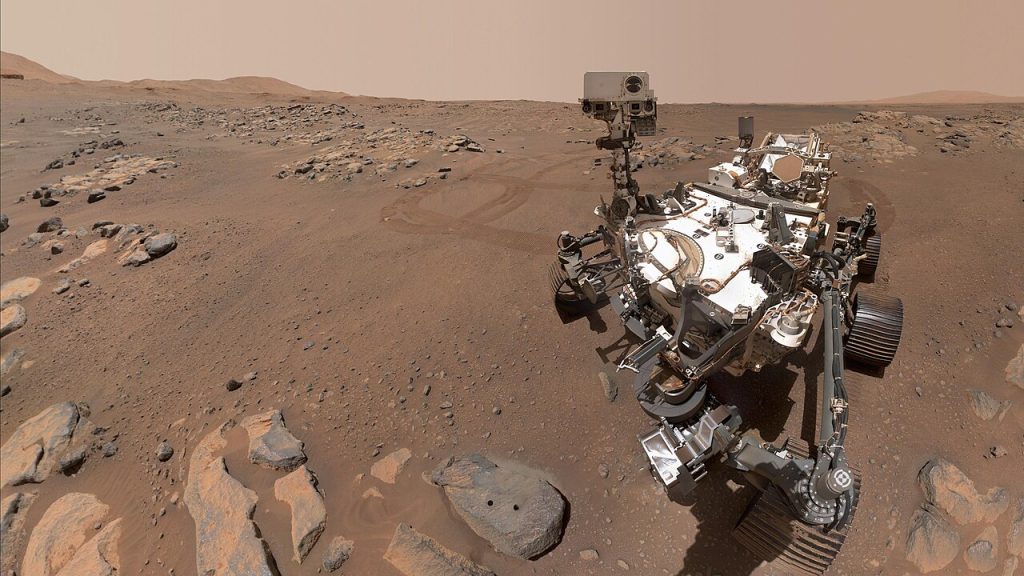
We can calculate the age of the universe, but we still need sleep. We can send machines to other planets, but a microscopic pathogen can stop entire societies. We write poetry about immortality inside bodies that require water every day.
That is what we are: cosmic thinkers built from living tissue.
Consciousness may not belong only to us
Human consciousness is unusually complex, but I do not think consciousness begins and ends at the border of our species.
Animals do not need to write philosophy to have experiences.
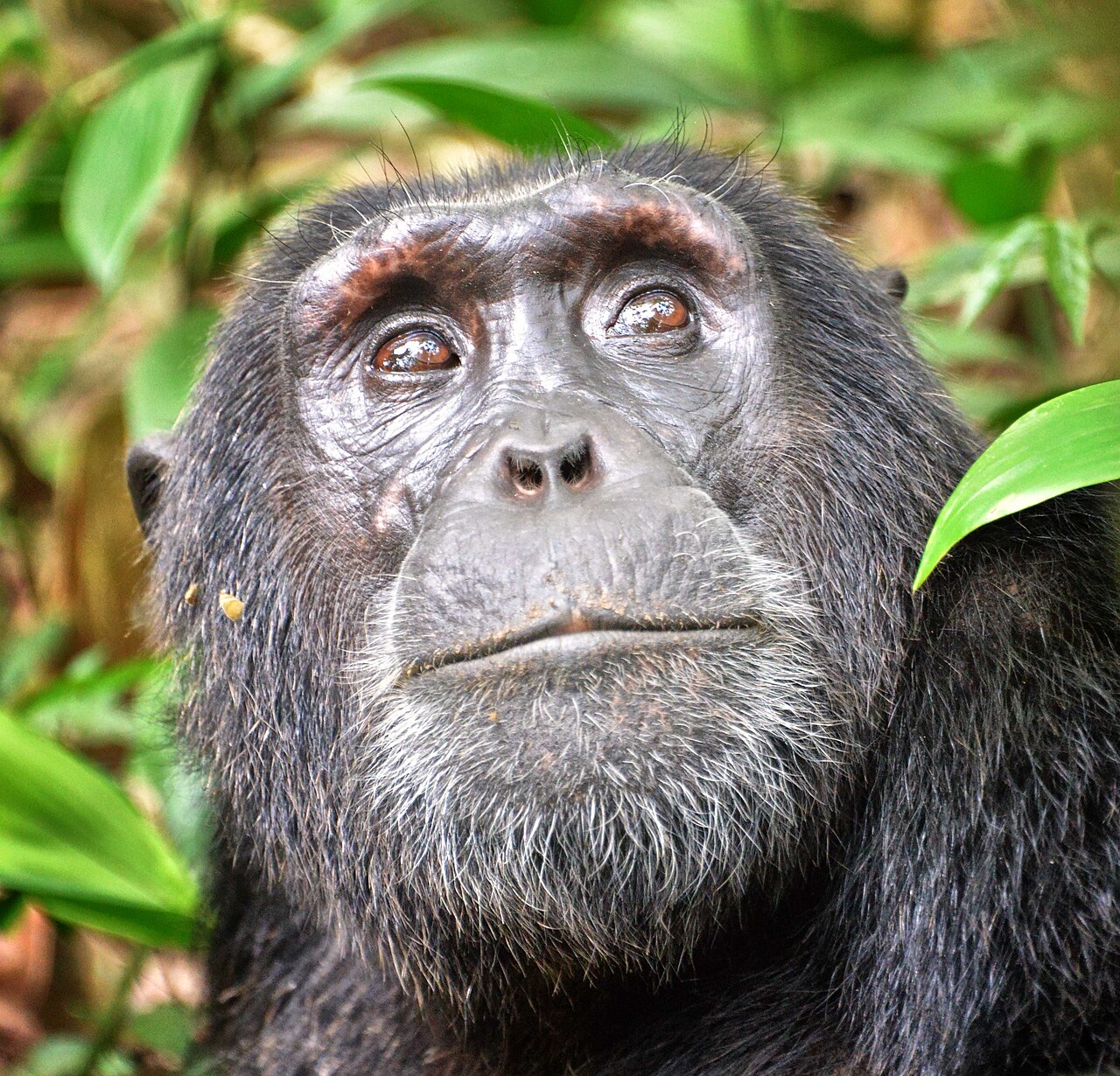
Chimpanzees use tools and understand social relationships. Dolphins communicate and coordinate. Elephants show complex memory and social behavior. Some animals appear to grieve. Rats have shown patterns of brain activity during sleep that resemble replay of earlier experience.
Scientists still debate how to define and measure consciousness. We cannot enter another mind directly—not even another human mind. We infer experience from behavior, nervous systems, learning, reports, and brain activity.
So I would avoid two extremes.
We should not assume every living thing experiences the world exactly as we do.
We should not assume nothing experiences anything unless it can tell us in human language.
Consciousness may be a spectrum of capacities rather than a switch that nature turned on only for us.
Soul, spirit, and the mind
Here is a conclusion of mine that many readers will not share.
I often wonder whether experiences described as soul or spirit are experiences of consciousness: the inner voice, memory, emotion, identity, moral conflict, and the strange feeling of being a self inside a body.
That does not settle the religious question. Many thoughtful believers understand the soul as something more than brain activity. Science has not proved that every philosophical or theological meaning of soul is false.
What science does show is that changes to the brain can change memory, personality, perception, mood, language, and the sense of self. Any serious account of mind has to reckon with that connection.
For me, the evidence points toward consciousness emerging from physical processes in living systems.
I remain open to what better evidence may show.
What education adds to biology
A newborn human arrives with extraordinary biological potential, but not with language, mathematics, law, astronomy, or culture already installed.
Those are transmitted.
Children require care, interaction, and teaching. Human brains develop inside relationships. Language grows through exposure. Judgment grows through experience. Identity grows through culture.
This is why education matters so much.
Biology gives us a brain capable of learning.
Civilization gives that brain a starting library.
Without the accumulated work of earlier generations, none of us would independently reinvent the world we use every day.
So who are we?
We are living organisms.
We are primates with an unusual capacity for cumulative knowledge.
We are relatives of every other form of life on Earth, made from atoms older than our planet.
We are capable of compassion, cruelty, music, war, mathematics, superstition, self-correction, and wonder.
No one has confirmed life beyond Earth. Given the number of stars and planets, I find it reasonable to suspect life may exist elsewhere, but suspicion is not detection.
If another civilization ever finds us, I hope it does not describe us only by our weapons or our machines.
I hope it writes something like this:
We found living organisms who became aware of the universe around them. They were powerful, confused, creative, and still learning how to be worthy of what they had discovered.
Do Animals Experience Grief? ↗Orcas, elephants, chimpanzees, magpies, peccaries and crows show grief-like behavior; some scientists urge caution about what the animals feel.
Genetics ↗About 1.2 percent difference between human and chimpanzee DNA in shared sequences, plus a further 4 to 5 percent from insertions, deletions and duplications. Used for the image caption.
We keep imagining advanced civilizations as someone else, somewhere else. From the eyes of our ancestors—or another species—the advanced civilization may already be us.
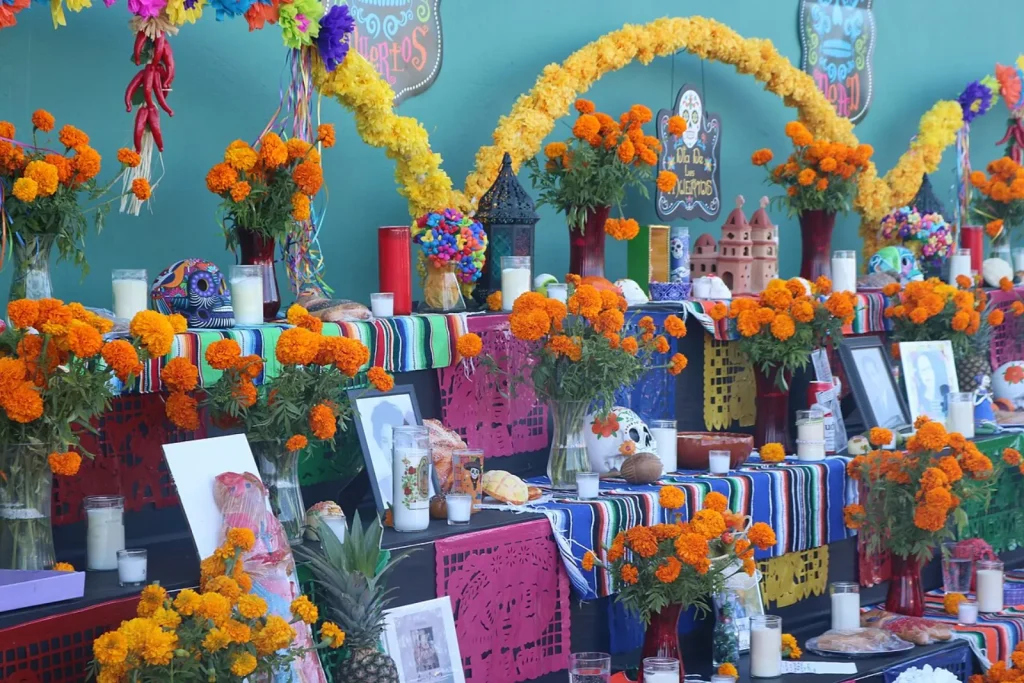
Medicine can describe how the body and brain shut down. Whether anything of us continues is a question science cannot reach, and traditions answer it differently.
Beyond science6 min read
THE OCCASIONAL LETTER
Stay curious.
New stories, book updates, and notes from God Plays Dice, delivered when there is something worth sharing.
EMAIL UPDATES ↗
500 DIGITAL COPIES • GIVEAWAY PREVIEW
Be first to know when the 500-copy reader giveaway opens.
Join for the book launch, verified retailer links, and the announcement for a planned giveaway of 500 digital copies. The giveaway is not open yet: dates, eligibility, a dedicated entry form, and Official Rules will be published first.
Privacy · Check your inbox to confirm your subscription. Newsletter signup alone is not a giveaway entry.