Meaning & LifeEssay · personal view
Parents, Teenagers, and the Pull of the Forbidden
A new baby can strain a couple. A teenager can test a family. In both seasons, love needs more than good intentions: it needs patience, boundaries, and time.
GOD & BELIEF ESSAY · PERSONAL VIEW
Whether the devil is understood as a being, a symbol, or a name for our worst impulses, one question remains: what responsibility belongs to us?
How many children have heard some version of this warning?
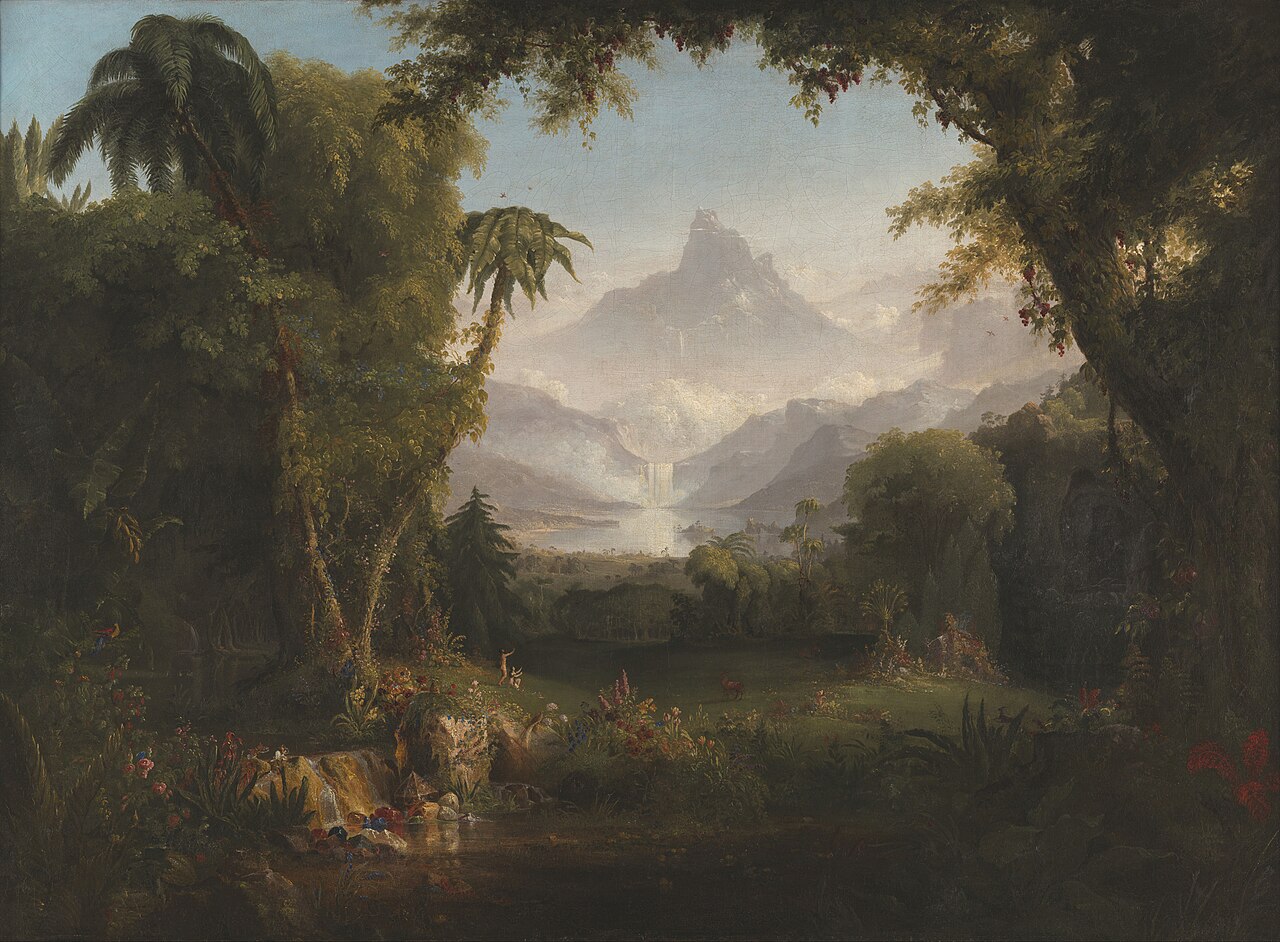
Behave, or the devil will come for you.
How many adults still carry the fear of hell, temptation, possession, or an unseen force waiting to pull them toward evil?
I grew up inside that world. I know the fear can feel real even when no one else can see it.
So I want to propose a thought experiment—not to insult anyone’s faith, but to examine what changes when we remove one explanation.
Imagine, just for a moment, that there is no personal devil directing human beings toward harm. Imagine that there is no outside supernatural enemy whispering instructions into our minds.
What would be left?
We would still have cruelty, greed, jealousy, violence, addiction, humiliation, and betrayal. We would still have biology, trauma, anger, fear, family patterns, social pressure, propaganda, and the choices we make when no one is watching.
In other words, removing the devil would not remove evil behavior.
It would return responsibility to us.
Human beings are shaped by what we inherit and what we repeatedly absorb.
Genes can affect temperament and vulnerability. Childhood can shape trust, fear, and self-control. Families teach habits, sometimes without realizing it. Communities define what is normal. Media rewards certain desires. Friends influence what we excuse. Repetition can turn an action into a habit and a habit into character.
None of this means we are helpless. It means behavior has causes more complicated than a supernatural force.
A child who grows up around violence may learn that violence is ordinary. A person surrounded by addiction may face greater risk. Someone taught to hate a group may repeat that hatred before ever examining it.
Understanding causes does not erase responsibility. It helps us decide where intervention is possible.
If harm can be learned, some of it can also be unlearned.
Belief in a devil can serve different purposes. For some people, it gives moral language to temptation and helps them resist behavior they consider wrong. I respect that.
But the idea can also become an escape hatch.
The devil made me do it.
Once we place the cause outside ourselves, we may avoid asking harder questions:
Why did I choose that? What did I learn? What fear was I obeying? Who did I hurt? What pattern do I need to break? What help do I need?
A supernatural explanation may name the struggle, but it does not do the work for us.
Christian traditions understand original sin in different ways, but the Catholic teaching I grew up with says human nature is wounded and inclined toward sin.
I understand why that idea speaks to people. Human beings clearly are capable of selfishness and harm.
But I do not need to believe a newborn inherits guilt from an ancient act in order to explain that capacity. Evolution gave us instincts that can protect us but can also turn destructive: fear of outsiders, competition for status, aggression, possessiveness, and loyalty to our own group at the expense of another.
Culture can strengthen those impulses or teach us to govern them.
To me, morality begins there—not with the claim that we were born evil, but with the recognition that we were born unfinished.
If there were no hell, would kindness still matter?
I believe it would matter more.
A moral life based only on punishment is obedience. A moral life based on empathy asks us to understand that other people can suffer as deeply as we can.
We should not avoid cruelty only because someone might punish us after death. We should avoid it because another living being can be wounded here and now.
That is a harder morality, because it cannot be outsourced.
The idea of eternal punishment troubled me deeply. A human life lasts decades. Eternity has no end. I could not understand how mistakes made inside one short, limited life could justify endless torment.
I know many believers do not imagine hell as literal fire. The Catholic Catechism, for example, emphasizes a person’s final separation from God. Other Christians understand the biblical language symbolically.
My argument is not that every believer accepts the harshest picture. My point is personal: fear of eternal punishment held enormous power over me, and letting go of that fear changed my life.
It did not make me less concerned with right and wrong.
It made me more responsible for them.
That depends partly on what you mean.
If you mean a personal supernatural being, I do not know how to demonstrate that such a being exists. My own life became healthier when I stopped believing one was following me.
If you mean the human capacity for destruction, manipulation, hatred, and self-deception, then yes—that force is real. But it does not need horns, fire, or an invisible kingdom. It can live in habits, institutions, ideologies, wounds, and choices.
And that means the struggle is not somewhere else.
It is here.
The solution is not to spend a lifetime fighting an invisible enemy while ignoring the visible causes of harm. The solution is to examine what shapes us, accept responsibility, seek help when we need it, repair what we can, and become more deliberate about what we allow into our minds.
You may keep the devil as a religious symbol. You may let the idea go. Either way, the same question remains:
What will you do with the part of the struggle that belongs to you?

Ricardo Maldonado, founder and editor of God Plays Dice.
More essays by Ricardo
How do different religions describe the beginning of the universe?
Selected texts describe divine creation or question its origin.
God Plays Dice answers big questions in plain words, with sources and one of six honest labels.
CONTINUE THE THREAD
Meaning & LifeEssay · personal view
A new baby can strain a couple. A teenager can test a family. In both seasons, love needs more than good intentions: it needs patience, boundaries, and time.
God & BeliefEssay · personal view
Where and when we are born shapes what we believe. That is why the most honest answer I can give about my own religion is not certainty, but “I don’t know.”
God & BeliefEssay
The 'war' between science and religion makes a dramatic story, but the real history, and what scientists actually believe, is more surprising and more welcoming.
The Architect AI companion · All Access
Match my phone uses your device’s light or dark setting.