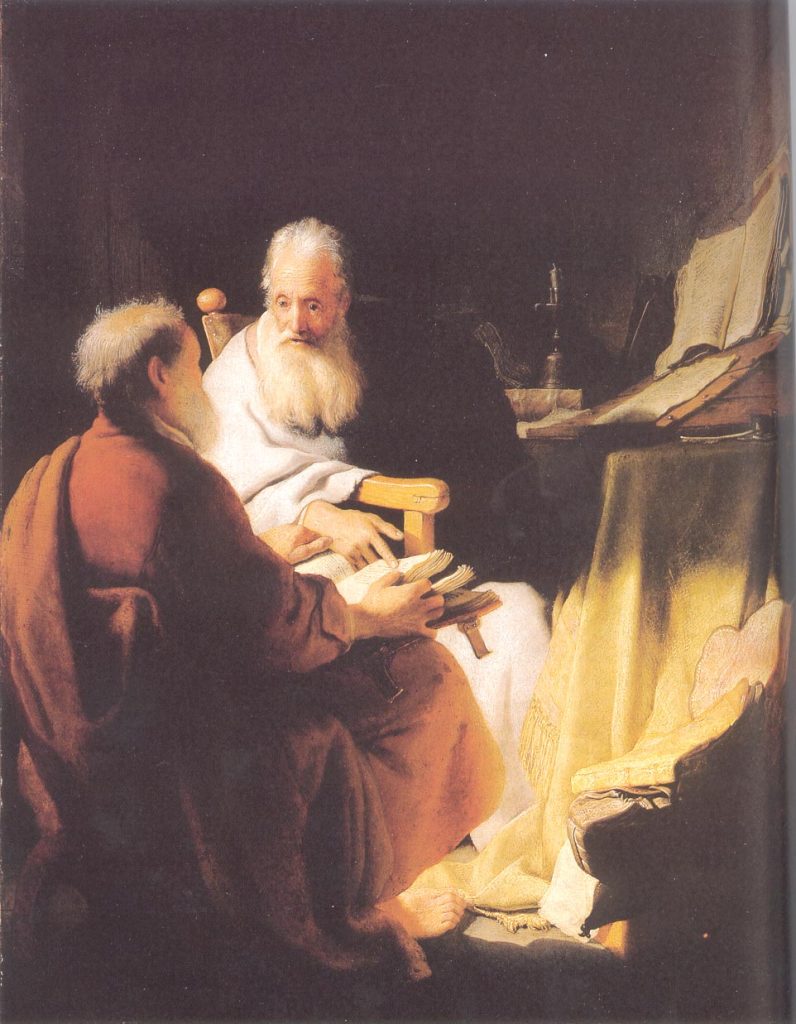
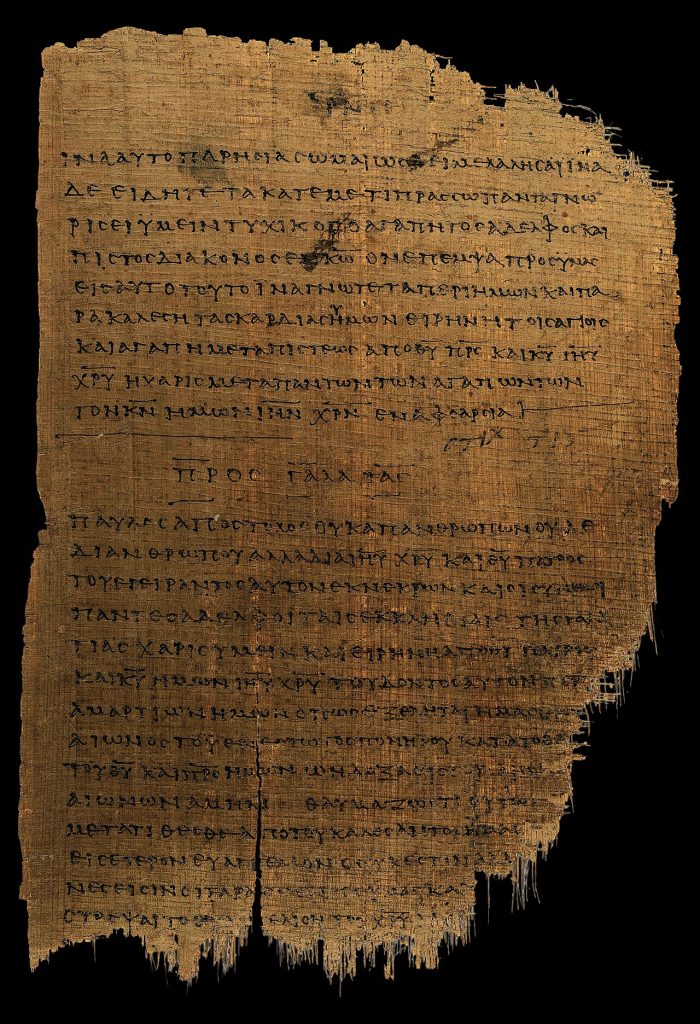
There is no single religious creation account. Here are three selected texts: Genesis, the Quran and a Rigveda hymn. These examples do not speak for every religion or every believer within them.
THE LONG ANSWER
Free long answer 2 of 3 this month.
What do these selected texts describe?
Genesis 1, shared by Jewish and Christian traditions, depicts God ordering the world through speech, calling creation good, and forming life across six days. The Catholic notes to the New American Bible read that six-day arrangement as a literary structure teaching the sacredness of Sabbath rest.
In Quran 2:117, God originates the heavens and earth through divine command. This passage emphasizes God’s power to create; it does not give measurements of cosmic expansion. We are using Mustafa Khattab’s English translation, not treating its wording as the Arabic original.
Rigveda 10.129, a hymn within Hindu sacred literature, asks how creation arose and who could know its origin. It even questions whether the highest overseer knows. This is a questioning poetic voice, rather than a summary of all Hindu beliefs.
Can a creation story and the Big Bang both be meaningful to the same person?
Yes. Someone can read a creation account for its religious meaning while accepting scientific cosmology. The National Academy of Sciences says studying science need not weaken faith. Other readers make literal claims about physical history; those claims can be tested and can conflict with evidence.
The Big Bang model describes an early hot universe that expanded and cooled. NASA explains that its ancient background light remains detectable today. Scientists are still investigating the earliest stages, including what preceded the period of rapid expansion called inflation.
Accepting cosmic history does not scientifically prove a divine purpose or turn a scripture into a cosmology prediction.
Big beliefs touch identity, family and what feels sacred, so here is what research says helps a hard conversation, a step-by-step way to try it, and why you are allowed to stop.
Religion shows up almost wherever people live, so here is what surveys and archaeology show, what scientists think explains it, how those ideas have held up, and how believers and skeptics read the same facts.
Nearly all historians, of every background, conclude that a Jewish preacher named Jesus lived and was crucified; here are the sources, the debates over them, and the questions history leaves to faith.
Established9 min read
THE OCCASIONAL LETTER
Stay curious.
New stories, book updates, and notes from God Plays Dice, delivered when there is something worth sharing.
EMAIL UPDATES ↗
500 DIGITAL COPIES • GIVEAWAY PREVIEW
Be first to know when the 500-copy reader giveaway opens.
Join for the book launch, verified retailer links, and the announcement for a planned giveaway of 500 digital copies. The giveaway is not open yet: dates, eligibility, a dedicated entry form, and Official Rules will be published first.
Privacy · Check your inbox to confirm your subscription. Newsletter signup alone is not a giveaway entry.