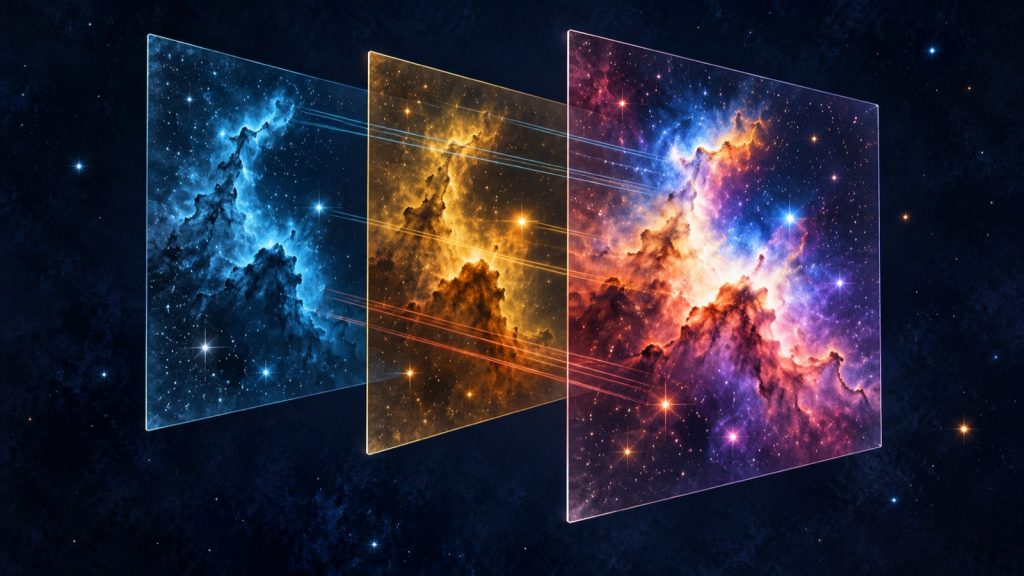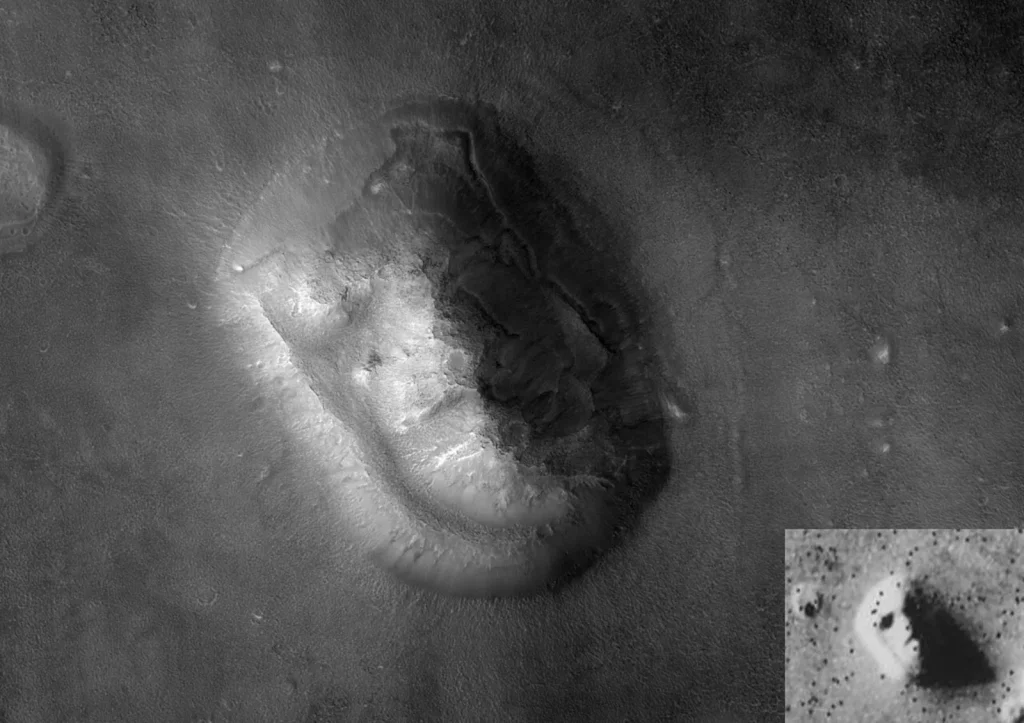
Extraordinary ClaimsExplainer
How to Check a Viral Science Claim in Five Minutes
You don't need a lab to test a shocking headline: a few quick habits borrowed from professional fact-checkers can show whether a claim deserves your trust.
THE QUESTION LIBRARY HOW WE KNOW
Good science shows how a claim was tested and gives other people enough information to challenge it.
Good science makes a clear, testable claim; shows how evidence was gathered and analyzed; reports uncertainty; and lets others check the work. There is no single step-by-step method used by every field. A lab experiment, a telescope survey and a study of ancient rocks need different tools, but each must connect its conclusion to evidence. One paper, a famous name or peer review alone is not enough. Confidence grows when independent checks and different lines of evidence agree.
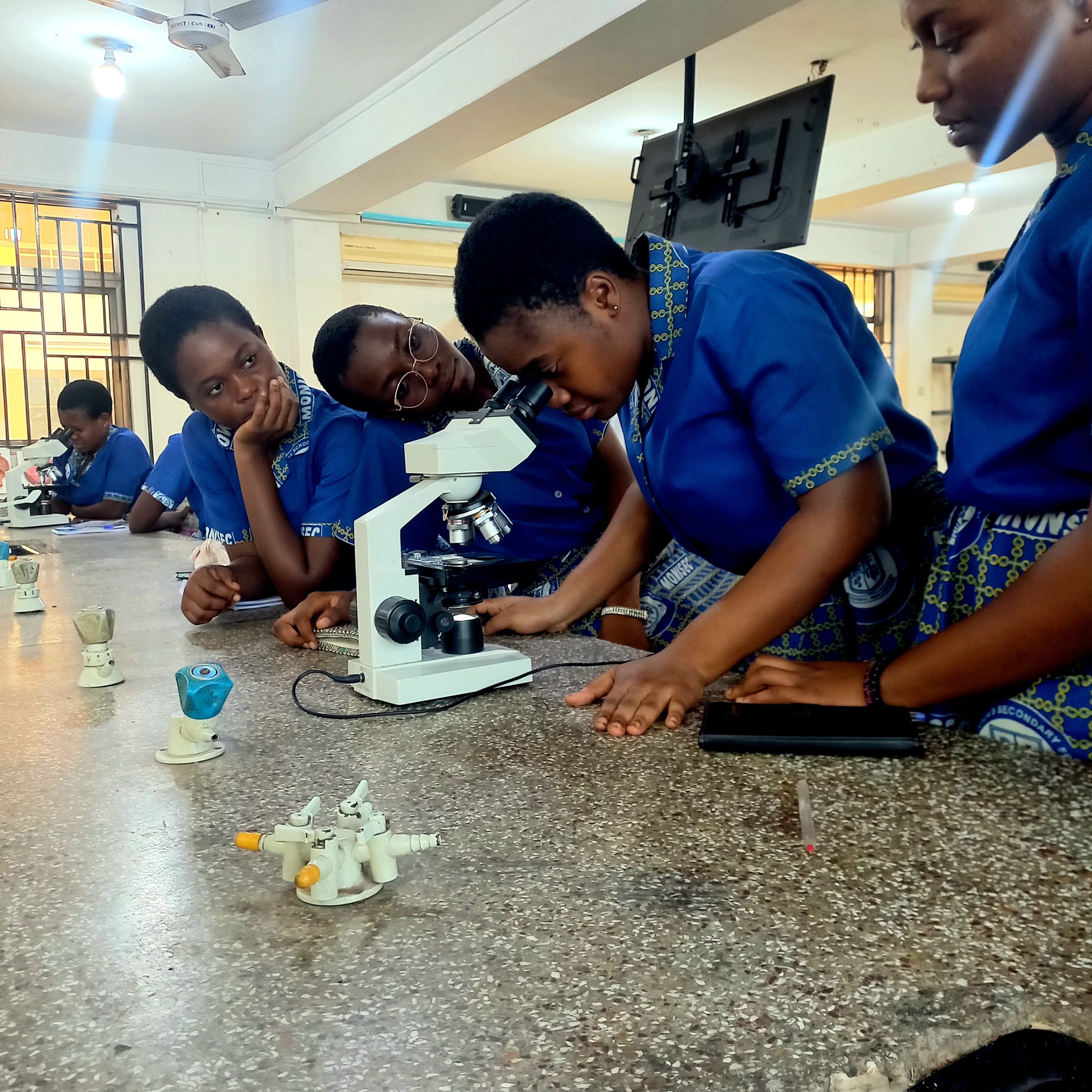
A microscope is one scientific tool. The right way to investigate a question depends on what is being studied.
WHERE THE EVIDENCE STANDS
WHAT WE DON’T KNOW YET
No checklist can give a final verdict on every new finding. The right test and the meaning of a failed repeat depend on the field, the claim and how much the evidence could have varied by chance.
WHAT WOULD CHANGE THIS ANSWER
A new study with clear methods, stronger measurements and independent confirmation can strengthen or overturn a current judgment. A claim that cannot be tested against observations cannot gain scientific support by repetition alone.
Good science lets you see how someone moved from evidence to a conclusion, and it leaves room for others to check the move. Start with four questions: What exactly is claimed? What was measured or observed? Could something else explain the result? Have independent researchers tested it? A dramatic headline or a respected scientist can draw your attention, but neither answers those questions.
There is no single recipe called “the scientific method” that everyone follows in order. A physicist may run a controlled experiment. An astronomer may compare light from distant objects because she cannot move a star into a lab. A geologist may study layers left by events long past. The National Academies says there is no single set of methods used across all of science. What joins them is careful evidence, reasoning, and testing that other people can examine.
Good work describes how the data were collected, what was left out, how the analysis was done and how uncertain the result is. The conclusion should match the strength of the evidence. One study may show a correlation, meaning two things change together. That alone does not show one caused the other. A careful author tells you what the study can and cannot rule out.
Science also gains strength over time. Another team may repeat the work with new data. Researchers may combine several studies or test the idea in a different way. Sometimes a result fails to hold up. That does not make every first study dishonest or every later study final. It means the evidence is being checked. Peer review can catch some problems before publication, but it is not a certificate of certainty. The most useful habit for a reader is to ask whether the claim remains convincing after someone tries to find a better explanation.
THE LONG ANSWER · ABOUT 7 MINUTES
The short answer, how sure we are, what we don’t know, what would change our mind and every source stay free on every page, for everyone.
All Access members read the long answer: the evidence piece by piece, the strongest objections, and how to check it yourself.
Join All Access · $1 a week Or $6 a month
Billed $52 once a year. Cancel anytime in your account.
Until December 4, 11:59 pm Pacific: the Founding rate is $39 a year, and it stays $39 while you stay a member.
Create a free account: 6 long answers a month, email only.
Paying never buys a different answer. Our Paywall Promise
How much evidence should it take to change your mind?
There is no fixed amount.
God Plays Dice answers big questions in plain words, with sources and one of six honest labels.
See a mistake? Report a problem. Corrections are made openly.
CONTINUE THE THREAD
Extraordinary ClaimsExplainer
You don't need a lab to test a shocking headline: a few quick habits borrowed from professional fact-checkers can show whether a claim deserves your trust.
How We KnowAnswer
A space image can be faithful to measured light without matching human eyesight. Here is how to read the translation.
How We KnowAnswer
Why anecdotes feel convincing, what individual cases can show, and how to assess a confident judgment.
The Architect AI companion · All Access
Labels describe the evidence for a claim, not the people who hold it.
Match my phone uses your device’s light or dark setting.