Meaning & LifeEssay · personal view
The Day I Was Born Again
Becoming a father did not answer my questions about life. It changed which answers mattered most.
MEANING & LIFE ESSAY · PERSONAL VIEW
A better life needs more than a bigger paycheck. It needs safety, honest motives, healthy boundaries, time with people we love, and enough balance to notice that we are living it.
We all say we want a better life.
Usually, we mean better circumstances: more money, a safer neighborhood, a larger home, a reliable car, better health care, more time, less stress.
Those things matter. Money can protect a family from real suffering. Anyone who has worried about rent, food, medical care, or immigration status knows that material security is not shallow.
But better circumstances do not automatically make us better people—or give us a life we know how to enjoy.
A better life, as I understand it now, has two parts:
improving what surrounds us and improving what we bring into the room.
I once tried to summarize a hundred self-help books in two words: positive attitude.
I still believe attitude matters. The way we interpret a setback can change what we do next. Hope can create energy. Gratitude can make ordinary moments visible. A calm person can lower the temperature in a tense room.
But positivity is not a cure for everything.
It does not replace medical treatment, money, safety, justice, or boundaries. It does not mean smiling through abuse. It does not require staying close to someone who repeatedly harms you.
There is a difference between a negative mood and a dangerous pattern.
We can be patient with the first.
We may need distance from the second.
The goal is not to become an emotional sponge for everyone else’s pain. It is to avoid letting another person’s bitterness decide who we become.
We should not wait for universal approval before beginning something meaningful.
Other people may not understand the idea, may be protecting their own fears, or may simply be right that we need more preparation. Confidence should not make us deaf.
Believe in yourself enough to begin.
Stay humble enough to learn.
And watch the motive.
If success becomes a weapon for proving someone else wrong, the person you resent still controls the project. Even victory will feel like an argument that never ended.
Build because the work matters, not because humiliation needs revenge.
I was born in Mexico and raised in the United States, so the phrase a better life has always carried an immigrant meaning for me.
People cross borders seeking safety, opportunity, education, work, and a future for their children. Those are serious reasons.
But a better salary cannot, by itself, repair a marriage, create patience, heal shame, or teach us how to be present with our children.
So if we move for a better life, perhaps we should define the promise more fully.
I want to become a better parent, partner, sibling, child, friend, neighbor, coworker, and citizen.
I want more opportunity, yes—but also more capacity to use opportunity well.
Money can improve the conditions of a life.
Character shapes what we do inside those conditions.
A person’s worth does not disappear when a bank account is empty.
A favor given only to collect a future debt is not pure generosity.
A person forced to perform toughness every hour may lose contact with tenderness, fear, and the need for help.
And whether or not karma exists as a cosmic system, conscience still exists as an inner witness. We carry the memory of how we treated people, even when no one else knows.
These ideas are not formulas. They are reminders that success has dimensions money cannot record.
Contentment can sound like surrender in a culture built on more.
But enough is not the same as giving up.
It can mean knowing which ambition serves life and which ambition consumes it.
I spent years working as if rest were a weakness. Then a car accident forced my life to slow down. Pain changed my pace before wisdom did.
Balance is not laziness. It is the discipline of giving work, health, family, solitude, and recovery the space they need.
Many people postpone calm until retirement, as if life begins after the work is done.
But the work is never done.
If calm matters, some of it has to be practiced now.
Modern speed has changed our expectations.
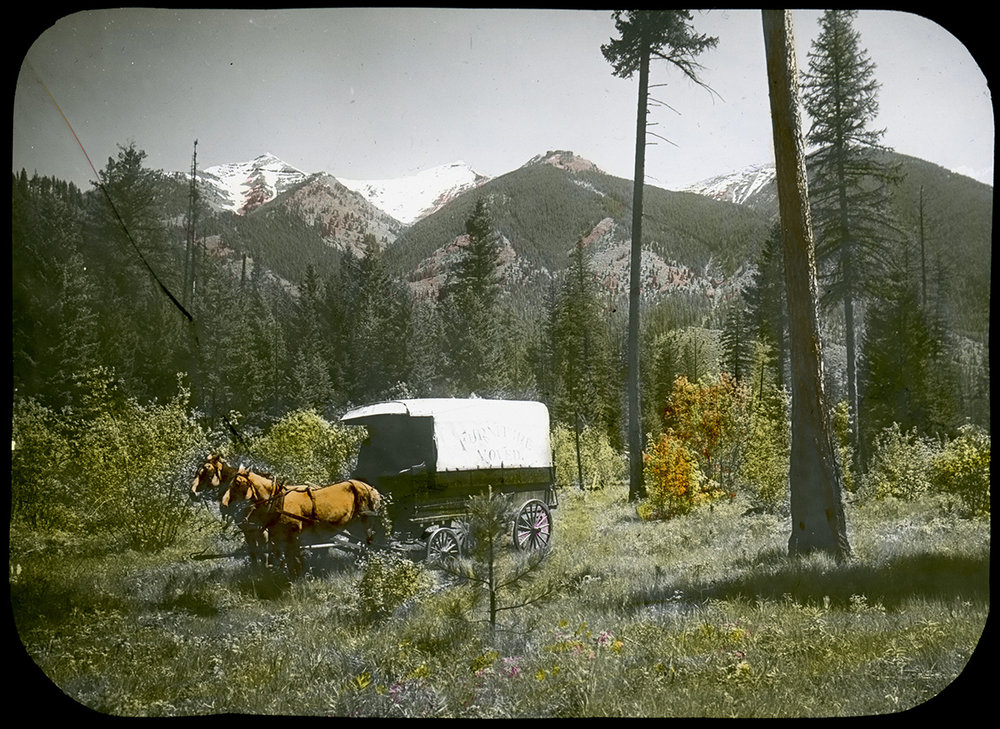
A trip that takes thirty minutes by car could once take hours on horseback or much longer by wagon. That comparison is only approximate, but the point is real: we move faster than most humans in history, yet often feel more rushed.
Speed did not cure impatience.
It raised the standard for how quickly we expect the world to move.
I first reflected on this after friends were hit while driving to meet us at a concert. They survived, and that is what mattered.
If you are late, arrive late.
A damaged plan is better than a damaged life.
Leave earlier when you can. Put the phone away. Let another driver go first. Remember that getting there is more important than winning the road.
A better life is not one thing.
It is enough material security to breathe. Work that does not consume every relationship. Motives we can live with. Boundaries that protect us. Patience with people who are learning. The humility to seek help. The ability to slow down before life forces us to.
It may include a better house or a better job.
But the deepest version is still a better you—not perfect, not cheerful every hour, but more honest, more balanced, and more awake to the life you already have.

Ricardo Maldonado, founder and editor of God Plays Dice.
More essays by Ricardo
How do people live with not knowing the answers to the biggest questions?
You can pursue unanswered questions while caring for people and choosing worthwhile actions.
God Plays Dice answers big questions in plain words, with sources and one of six honest labels.
CONTINUE THE THREAD
Meaning & LifeEssay · personal view
Becoming a father did not answer my questions about life. It changed which answers mattered most.
Meaning & LifeEssay · personal view
World peace may be beyond one person’s control. Reconciliation, accountability, and one honest conversation are not.
Meaning & LifeEssay · personal view
A new baby can strain a couple. A teenager can test a family. In both seasons, love needs more than good intentions: it needs patience, boundaries, and time.
The Architect AI companion · All Access
Match my phone uses your device’s light or dark setting.